AEO SEO Guide: 5 Steps to Protect Your Traffic from AI Answer Engines
AI answer engines can reduce traditional clicks, but they also create new visibility opportunities. Use this five-step AEO SEO guide to protect and improve discovery.
Founders, growth teams, agencies, and technical marketers building repeatable AI visibility workflows
AEO / SEO
Best Next Step
Turn the visibility lesson into a workflow
Use AgentSEO to inspect AI visibility, citations, competitors, and content gaps with outputs built for dashboards, APIs, and agent workflows.
Quick Brief
Best For
Founders, growth teams, agencies, and technical marketers building repeatable AI visibility workflows
Core Problem
AI answer engines can reduce traditional clicks, but they also create new visibility opportunities. Use this five-step AEO SEO guide to protect and improve discovery.
Read Shape
4 min read with scannable sections, proof blocks, and direct next actions.
Proof Inside
You’ll Cover
- Why AI answer engines affect traffic
- Step 1: Define your brand as an entity
- Step 2: Build answer-first pages
AI answer engines are changing the relationship between search visibility and website traffic.
For years, SEO teams optimized pages to rank, win clicks, and convert visitors. That still matters. But AI-generated answers can satisfy part of the user's question before a click happens.
This does not mean SEO is dead. It means SEO teams need to expand their playbook.
AEO SEO is the overlap between search engine optimization and answer engine optimization. It focuses on making your content useful for traditional search results and clear enough for AI systems to summarize, cite, and trust.
Why AI answer engines affect traffic
AI answer engines can change traffic in three ways.
First, they may reduce clicks for simple informational queries because the answer appears directly in the interface.
Second, they may influence which brands buyers consider before they click anything.
Third, they may increase qualified demand for brands that are cited, mentioned, or recommended in answers.
The risk is not only losing traffic. The bigger risk is losing visibility during the research stage.
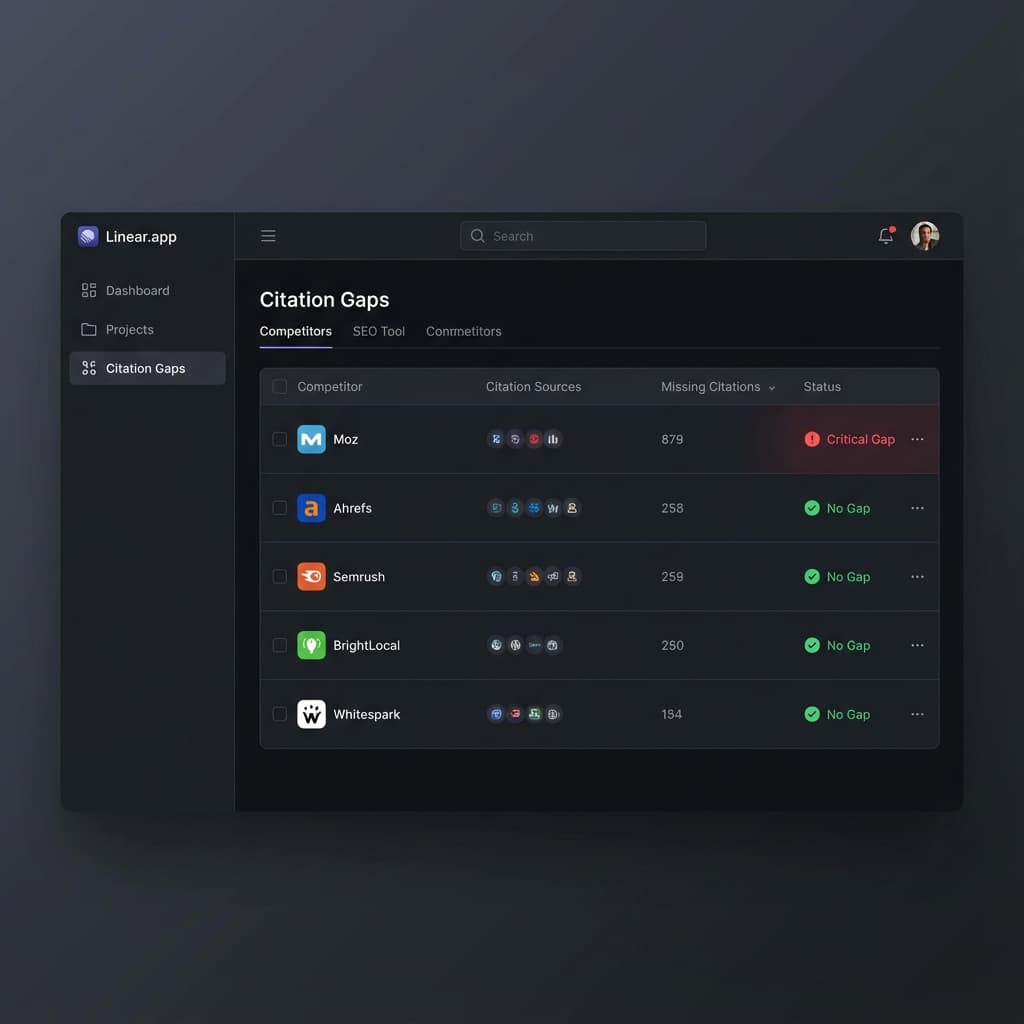
Step 1: Define your brand as an entity
AI systems need to understand what your brand is.
Your homepage, about page, product pages, and key blog posts should consistently answer:
Do not make AI systems guess. Use clear category language.
Example:
AgentSEO is an AI visibility platform for teams that need to monitor brand mentions, competitor presence, and citation gaps across AI answer engines.
That sentence is more useful than a vague promise about "unlocking insights."
- What does the company do?
- What category does it belong to?
- Who is it for?
- What problems does it solve?
- What makes it different?
Step 2: Build answer-first pages
Answer-first pages give a direct answer near the top, then expand.
A useful structure:
This works for humans and machines. Human readers get clarity quickly. AI systems get a cleaner summary of the page.
- Short definition or answer
- Why it matters
- How it works
- Examples
- Common mistakes
- Next steps
Step 4: Add proof and context
AI answer engines are more likely to use content that is specific and trustworthy.
Useful proof includes:
Avoid empty claims. "Powerful platform" means little. "Tracks brand mentions across AI answer engines and surfaces competitor citation gaps" gives the model something specific to understand.
- Product screenshots
- Examples from real workflows
- Methodology notes
- Customer stories
- Named integrations
- Public documentation
- Clear limitations
Step 5: Measure AI visibility alongside SEO
Traditional SEO metrics are still useful:
But AEO SEO needs additional metrics:
This helps you understand whether your content is influencing answers even when the click path changes.
- Rankings
- Clicks
- Impressions
- Indexed pages
- Core Web Vitals
- Conversions
- Prompt-level brand mentions
- Competitor mentions
- Citation sources
- Sentiment
- Use-case coverage
- Missing answer opportunities
The AEO SEO checklist
Before publishing a page, check:
This last point matters. Google's guidance emphasizes helpful, reliable, people-first content. AEO SEO should support that goal, not replace it with thin content made only for crawlers.
- The primary question is clear
- The answer appears near the top
- The title and H1 describe the topic accurately
- The page includes examples
- The claims are supported
- The page links to related internal resources
- The URL is clean and descriptive
- The page is included in the sitemap
- Structured data matches the visible content
- The page is useful even if the reader came directly, not from search
How to protect traffic in practice
Start with the pages that already matter.
Look at your highest-intent SEO pages:
Then ask: if an AI assistant summarized this topic, would it understand why we deserve to be mentioned?
If the answer is no, improve the page. Add definitions, comparisons, examples, proof, and internal links.
- Product pages
- Feature pages
- Comparison pages
- Pricing pages
- Category guides
- Alternative pages
- Integration pages
Final takeaway
AI answer engines are not a reason to abandon SEO. They are a reason to make SEO more precise.
Protecting traffic now means protecting visibility across both search results and AI-generated answers. The brands that explain themselves clearly, answer buyer questions, and prove their claims will have the strongest foundation.
Sources and further reading
- Google Search Central: Creating helpful, reliable, people-first content
- Google Search Central: General structured data guidelines
Keep the workflow moving
Turn the visibility lesson into a workflow
Use AgentSEO to inspect AI visibility, citations, competitors, and content gaps with outputs built for dashboards, APIs, and agent workflows.

Daniel Martin
Cofounder, AgentSEO
Inc. 5000 Honoree and cofounder of AgentSEO and Joy Technologies. Daniel has helped 600+ B2B companies grow through search and now writes about practical SEO infrastructure for AI agents, MCP workflows, and REST-first execution systems.
FAQ
Questions teams usually ask next
How is AI visibility different from traditional SEO?
Traditional SEO focuses on rankings, clicks, and page performance. AI visibility also tracks whether a brand is mentioned, cited, compared, and recommended inside AI-generated answers.
What should teams measure first?
Start with a stable prompt set, competitor mentions, owned-page citations, source quality, and the page or workflow that should be improved next.
More in this topic
AI visibility and AI search
Measurement
How to measure AI visibility: tracker, audit, and dashboard metrics that matter
Measure AI visibility with a repeatable system, not one synthetic score. Track mention rate, first mention, citations, source mix, and page-level movement across a fixed prompt set.
Measurement
AI search reporting dashboard: metrics, views, and workflow
A good AI search reporting dashboard separates discoverability, citations, prompts, competitors, and business outcomes. Build views that help operators decide what to change next.